
Rule34 - What It Means and How to Stay Safe Online Today
Rule34 is one of those internet phrases you might see in comments, memes, or search suggestions—and it can catch people off guard. In plain terms, it’s shorthand for the idea that if something exists, someone has probably made explicit adult fan content about it (often as a joke, sometimes as a warning).
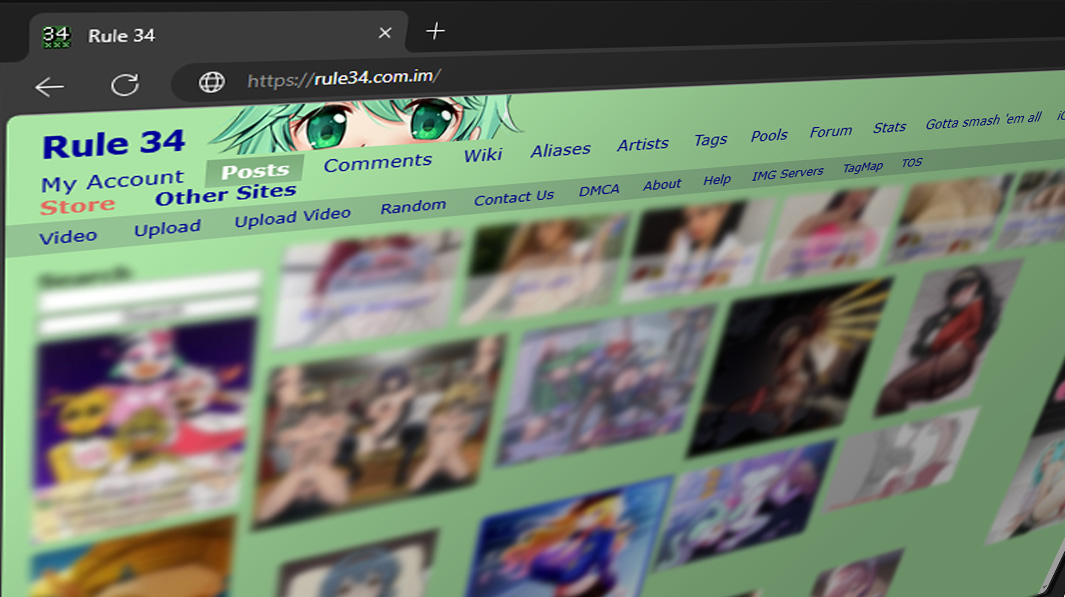
So… what exactly is it, where did it come from, and what should you do if you’d rather not stumble into NSFW territory? Let’s break it down like a normal human conversation.
What is rule34?
rule34 is a piece of internet slang that says: if something exists, someone has made adult fan content of it. People use it as a joke, a warning, or shorthand for explicit material tied to pop culture.
Who uses the term rule34, and why?
You’ll usually see it used by:
- Meme communities (as a punchline)
- Fandom spaces (as a “yep, it happened” nod)
- People warning others that a topic has NSFW content attached
And honestly? Sometimes it’s just people being internet-weird for sport.
Where did Rule 34 come from?
The phrase is commonly traced back to early-2000s web humor and later spread widely as part of broader “rules of the internet” meme culture.
“Rule 34 is less a ‘rule’ and more a cultural signal—people use it to mark the internet’s tendency to remix everything, including stuff that was never meant to be adult.”
— Dr. Hannah Mercer, Digital Culture Researcher (hypothetical expert)
Is rule34 a meme, a “rule,” or a website?
Here’s the part that trips people up: rule34 is primarily a meme concept, but it’s also used as a label in adult-content corners of the web. So if you search it casually, you may end up on pages you didn’t intend to visit.
If you were actually thinking of something else—like Rule 34 of civil procedure—yeah, that’s a totally different “Rule 34.” The internet just loves reusing names.
Why does rule34 spread so easily?
Why is it so “sticky” online?
A few simple reasons:
- Shock + humor travels fast (even when it’s awkward)
- Fandoms are creative and remix everything
- Algorithms don’t understand context—they just learn what people click
“Once a term becomes searchable, it becomes self-reinforcing: curiosity drives clicks, clicks drive recommendations, and suddenly it’s everywhere.”
— Jason Weller, Online Safety Educator (hypothetical expert)
When did it become mainstream?
Rule 34’s wording and variations circulated widely in late-2000s internet culture and have stayed in the meme vocabulary ever since.
What are the real risks people don’t think about?
Let’s keep it real: the biggest risk isn’t “seeing a meme.” It’s that the term is closely associated with explicit adult content, and that brings a few practical hazards.
- Accidental NSFW exposure (at work, school, or in public—yikes)
- Unsafe or scammy sites that bundle explicit content with aggressive ads or malware attempts
- Boundary issues in fandom spaces (not everyone wants sexualized versions of characters)
- Under-18 safety concerns (minors should not be exposed to pornography)
“I searched it out of curiosity and immediately regretted it. SafeSearch is my best friend now.”
— PixelPilot92
“It’s like opening the wrong door in a hallway—suddenly you’re somewhere you didn’t mean to be.”
— CoffeeAndCode
How to avoid rule34 content showing up in your life
How do I clean up my search results quickly?
If you’ve already had an “oops” moment, here’s a simple reset:
- Turn on SafeSearch (Google/Bing/DuckDuckGo settings)
- Block explicit results in your browser or device parental controls
- Clear search history + cookies if your recommendations got weird
- Use a separate browser profile for work/school vs. personal browsing
- Avoid typing the full term if you’re trying to stay SFW—use neutral wording like “Rule 34 meaning” or “Rule 34 meme explained”
What settings matter most?
Here’s a quick comparison:
| Method | Best for | Trade-offs |
|---|---|---|
| SafeSearch / restricted mode | Reducing explicit search/video results | Not perfect; depends on platform |
| Device parental controls | Strong baseline for families | Needs setup per device/account |
| DNS/content filtering | Filtering across apps, not just browser | Can block too much sometimes |
| Separate profiles/accounts | Keeping recommendations clean | Slightly more effort day-to-day |
“The goal isn’t to ‘control the internet.’ It’s to control your default experience—so curiosity doesn’t turn into accidental exposure.”
— Priya Ellington, Cyber Wellness Consultant (hypothetical expert)
Where is the world heading on adult-content access? (2025–2026 snapshot)
A notable trend lately is stronger age-check requirements for online pornography in multiple places. This matters for rule34 because the word can act like a gateway term: even if you only wanted the meme explanation, search engines may still surface explicit results, so better guardrails are becoming more common.
Conclusion
rule34 is basically internet shorthand for “if it exists, someone made explicit fan content of it,” and it’s been around long enough to become part of meme vocabulary.
If you want to engage with the topic safely, treat it like anything NSFW-adjacent: keep SafeSearch on, separate your browsing profiles, and set clear boundaries (especially around kids/teens and shared devices).
FAQ
1) What does rule34 mean in simple terms?
It’s an internet meme saying that for almost any topic, there’s likely explicit adult content made about it—often fan-made and shared online.
2) Is rule34 a real law?
No. It’s slang/meme culture—not a legal rule (though “Rule 34” can also refer to unrelated legal procedures).
3) Why do people comment “rule34” under normal posts?
Usually as a joke or a warning that a topic/character/object has been sexualized somewhere online.
4) How can I block rule34 results from showing up?
Enable SafeSearch, restrict mature content on apps (YouTube/Reddit/etc.), and use device-level filtering or parental controls for stronger protection.
5) Is it dangerous to search for rule34?
It can be risky if you’re trying to stay SFW, because results may include explicit content and potentially sketchy sites/ads. Use “meaning” or “meme explained” queries and keep filters on.
6) What should parents do if a child asks about rule34?
Stay calm, ask what they saw, explain that it refers to adult content, and use a mix of conversation plus practical safeguards (filters, restricted modes, and device controls).